
Witness cross-examination, crime scene evidence shape second day of Hamilton murder trial
By Dani McCulley
Jurors in the first-degree murder trial of Jacob Hamilton heard continued testimony Friday from a key witness and multiple law enforcement officers regarding the July 2024 shooting death of Zachary Drinovsky in Hudson. Attorneys focused heavily on shifting prior statements, crime scene documentation, and physical evidence collected during the investigation.
Proceedings resumed Friday morning with Abbie Oglesbee, who recalled calling 911 at approximately 3:39 a.m. after hearing gunshots and arriving at the scene. Jurors listened to Oglesbee's frantic 911 call, during which she told dispatchers that "he broke into a house and the homeowner shot him" because of an "earlier altercation". She also informed dispatchers Drinovsky had been shot twice in the abdomen. When asked where the shooter was, Oglesbee responded that he was "holding pressure to his belly".
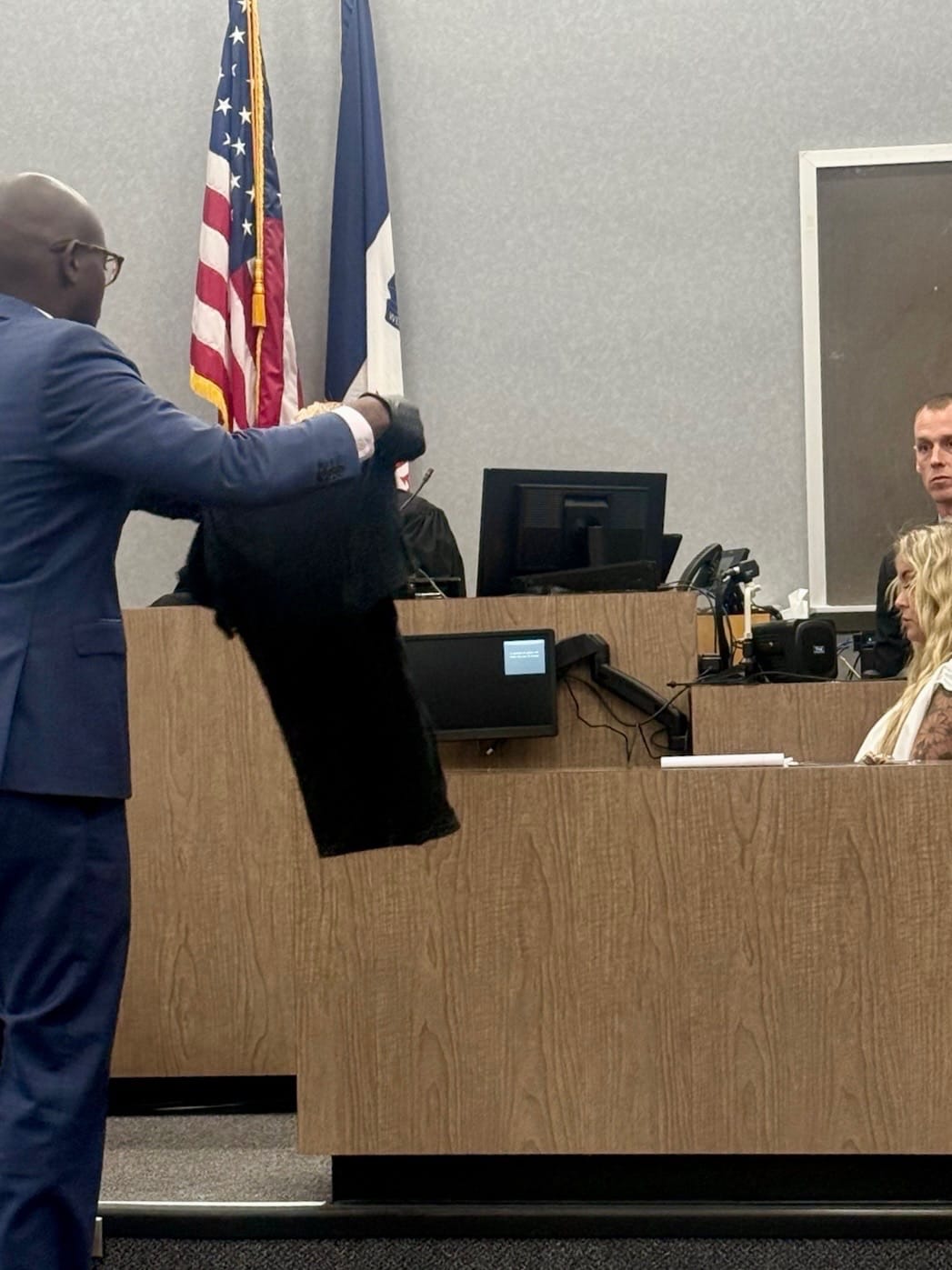
Assistant Iowa Attorney General Shawna Johnson-Miers later asked Oglesbee where the information about the alleged break-in and altercation originated, since she was not present when the shooting occurred. Oglesbee stated Hamilton told her that is what had happened. Johnson-Miers also questioned her about the statement regarding Hamilton "holding pressure" to Drinovsky's wounds , to which Oglesbee explained that was what she believed Hamilton was doing at the time of the 911 call.
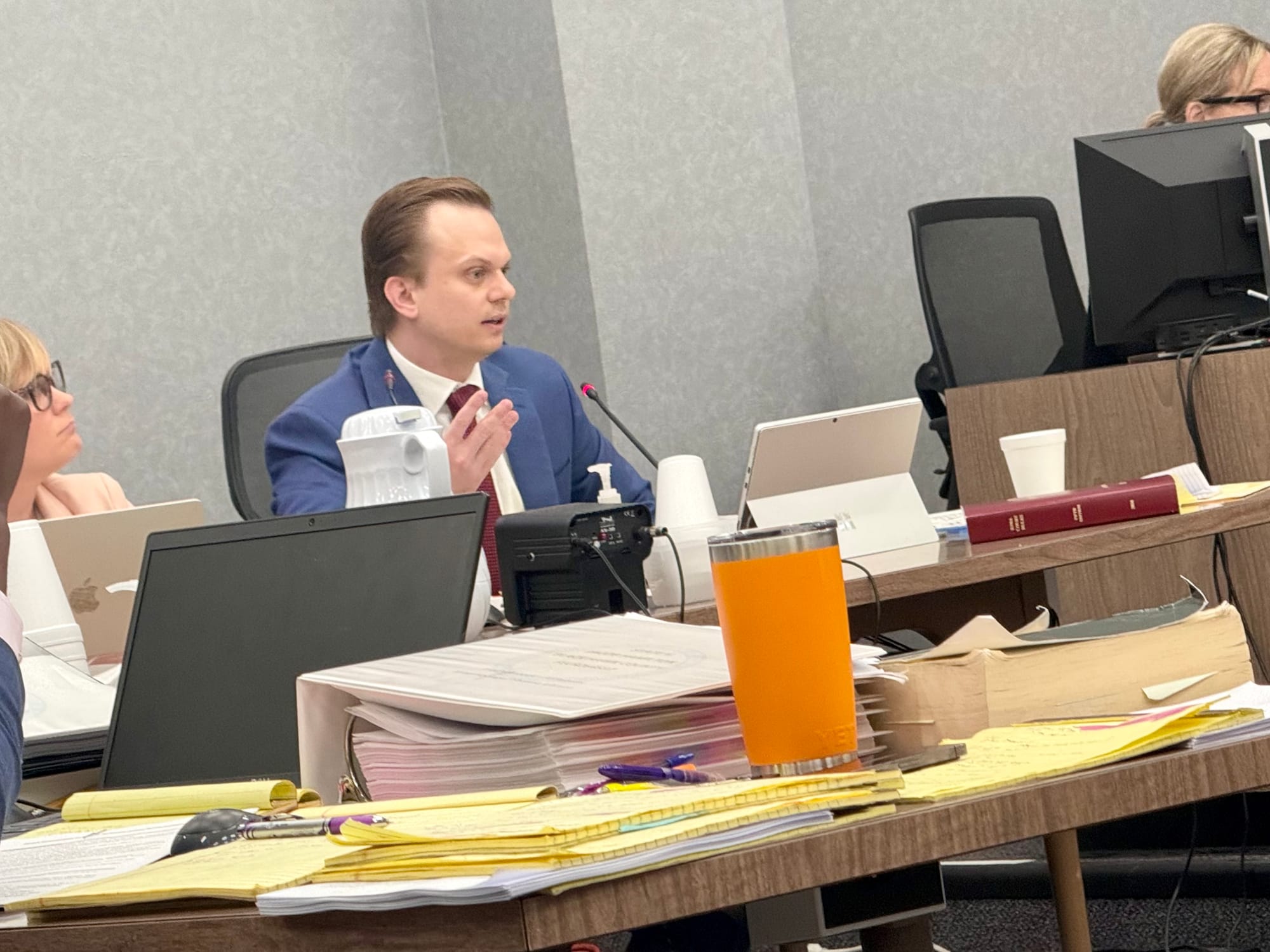
During cross-examination, defense attorney Konrad Kamizelich questioned Oglesbee extensively about these initial statements. Kamizelich referenced conversations Oglesbee reportedly had with Officer Tyler Sohm and Detective/Capt. Mark Herbst, in which she stated Hamilton was applying pressure to Drinovsky's wounds after the shooting. Kamizelich also asked whether she previously told Herbst that Hamilton "didn't do anything wrong," though Oglesbee noted she did not recall making that statement. The defense further highlighted a July 18 conversation initiated by Oglesbee with Herbst where she reportedly changed her account, stating Hamilton was not applying pressure to Drinovsky's wounds. When questioned about this change in her recollection, Oglesbee explained the incident was traumatic and that after having time to process what happened, she remembered things differently.
The state later called former Waterloo Police Department officer Brad Walter, who assisted with a 3D laser scan used to digitally preserve the crime scene. Walter explained the technology allows investigators to document evidence and locations while creating a digital preservation of the scene. He added that the technology can also be used to take measurements from marked evidence within the scan.
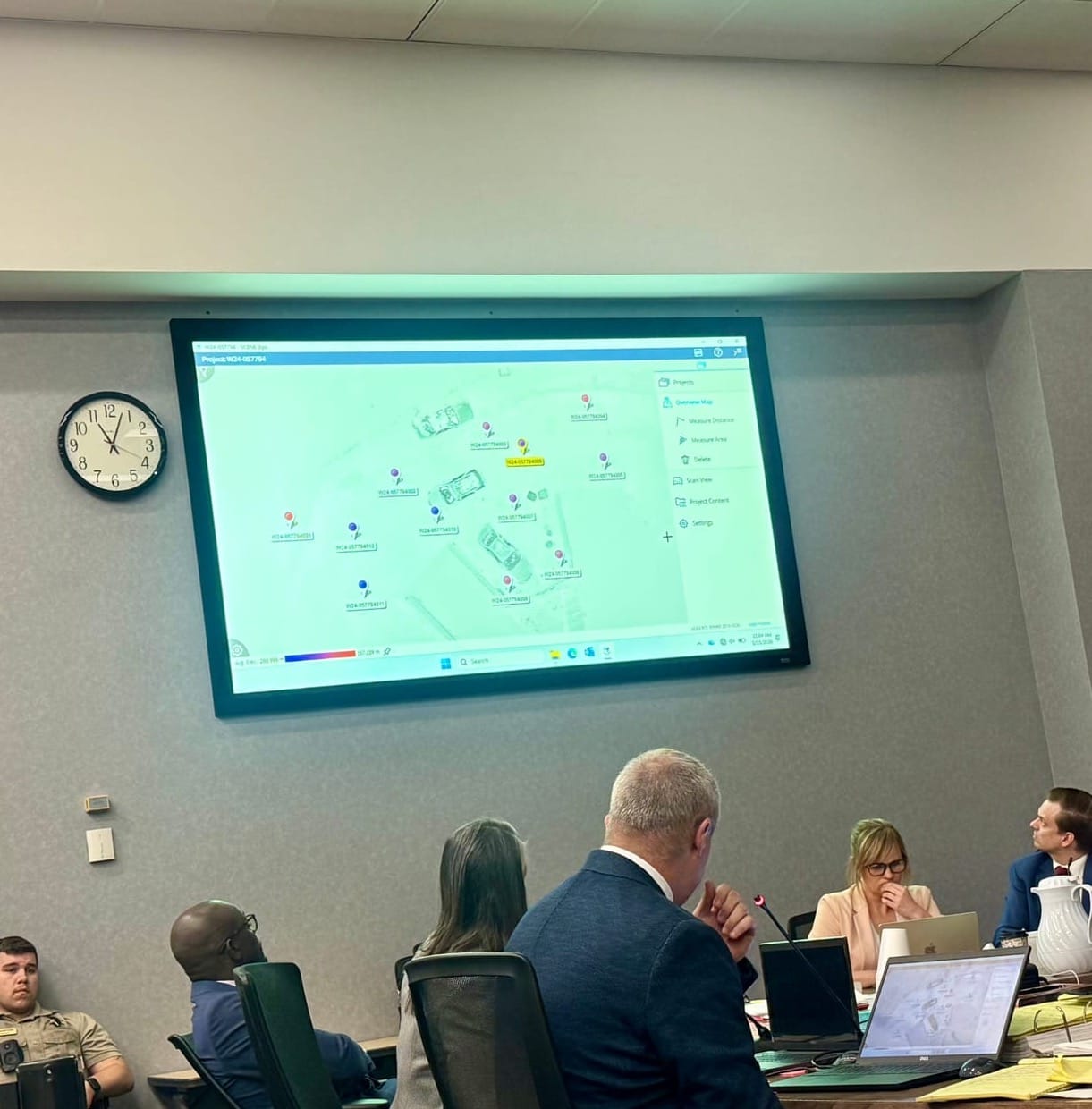
During cross-examination, Kamizelich established Walter arrived at approximately 7:44 a.m. and that the scan reflected the preserved condition of the scene at that time, rather than immediately after the shooting. This timing highlighted a discrepancy: earlier in the day, Oglesbee stated Drinovsky's vehicle door was open when she arrived at the scene, but Walter noted the vehicle door was closed by the time he arrived to conduct the scan.
Black Hawk County Sheriff's Office Detective William "B.J." Heath later took the stand to discuss crime scene processing, evidence collection, and firearms recovered during the investigation. Heath noted he was notified at approximately 4:23 a.m. and arrived at the scene around 4:46 a.m., adding that responding officers had already secured the area. He recalled weather conditions brought wind and rain, which meant portions of the scene had been covered with tarps to protect evidence. Jurors were shown numerous photographs collected during the investigation, including images of shell casings, the apartment entrance, clothing, and medical supplies.
Focusing on the apartment entrance, Heath stated he observed no visible boot prints or obvious signs the apartment door had been kicked in. He said the door operated normally when tested by investigators, and officers who attempted to force the door open with weight were unable to do so. Several photographs of the apartment door were shown to jurors, including items located behind it. In one photograph taken by Heath, a metal shelf containing several breakable cookie jars located directly behind the door did not appear disturbed or damaged.
Jurors also viewed photographs identifying where the firearm was recovered in relation to shell casings found near the end of the driveway. Heath explained that shell casings were found in one general area and later collected as evidence. He was in communication with Detective/Capt. Herbst, who was interviewing Hamilton at the sheriff's office , and took photographs and measurements based in part on Hamilton's account provided during that interview.
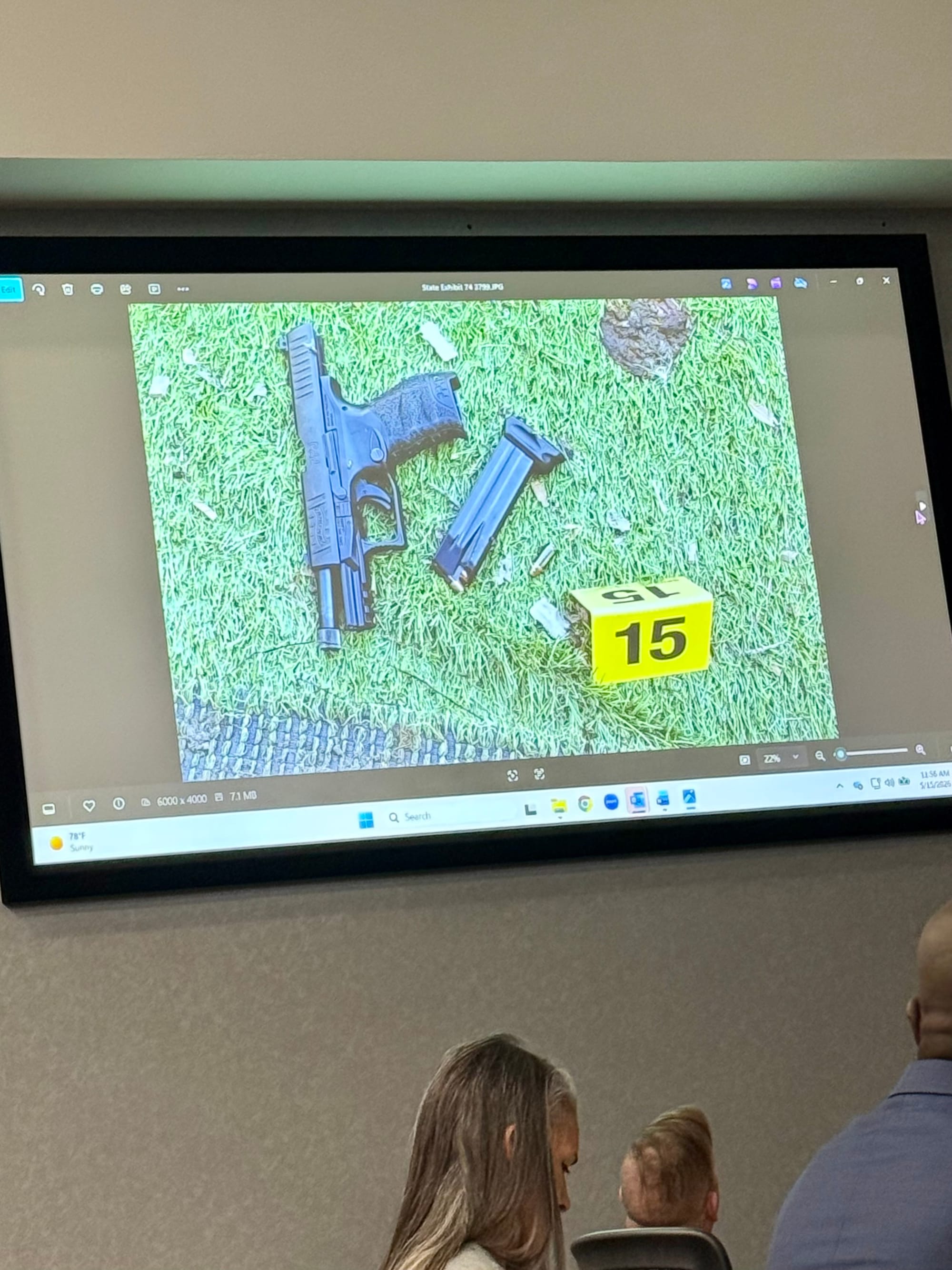
Jurors viewed two firearms admitted into evidence. Heath confirmed one firearm recovered from Hamilton's holster was fully loaded and had not been fired. A second firearm, recovered near the apartment doorway, was identified by investigators as the weapon used in the shooting. However, when asked whether any shell casings were found near that doorway, Heath acknowledged there were not. Instead, shell casings recovered near garbage cans at the end of the driveway matched the firearm identified as the shooting weapon. The firearm was test-fired and sent to the Iowa Division of Criminal Investigation for analysis.
Heath also detailed testing conducted to examine how the firearm behaved when discharged. Jurors viewed a video demonstration conducted by investigators to examine shell casing ejection patterns. Heath explained the demonstration allowed investigators to measure where casings landed after being fired from different positions, noting all traveled backward and to the right. He pointed out that during one discharge a casing struck the demonstrator's arm before landing in a location still generally consistent with the other casings.
During cross-examination, Kamizelich questioned Heath about the limitations of this testing, specifically that investigators fired the weapon from a tripod with two hands during the demonstration. Heath acknowledged investigators did not conduct separate testing using one-handed firing techniques or without a tripod. Kamizelich also questioned Heath regarding documentation related to the tarps used to protect evidence from the rain , prompting Heath to admit investigators did not photograph the tarp, the placement of the tarp, or document evidence before and after the tarps were used.
Finally, jurors were shown photographs from inside the apartment, including the area where Hamilton reportedly told investigators he was positioned on the couch when Drinovsky entered the residence. Heath stated nothing inside the residence appeared broken or disturbed and that he observed no holes or signs of a struggle inside the apartment. During cross-examination, however, Kamizelich pointed to two rugs directly behind the couch—where Hamilton reportedly told investigators Drinovsky had been positioned—that appeared to be disturbed.
Court adjourned Friday afternoon following Heath's testimony. Jurors were instructed not to discuss the case over the weekend before testimony resumes next week.
Comments ()