

Meet the Candidates: Iowa House Districts 54 and 76
The Hudson Herald invited candidates for Iowa House Districts 54 and 76 to answer five questions ahead of the Nov. 3 general election.
Iowa House District 76
Matt Reisetter
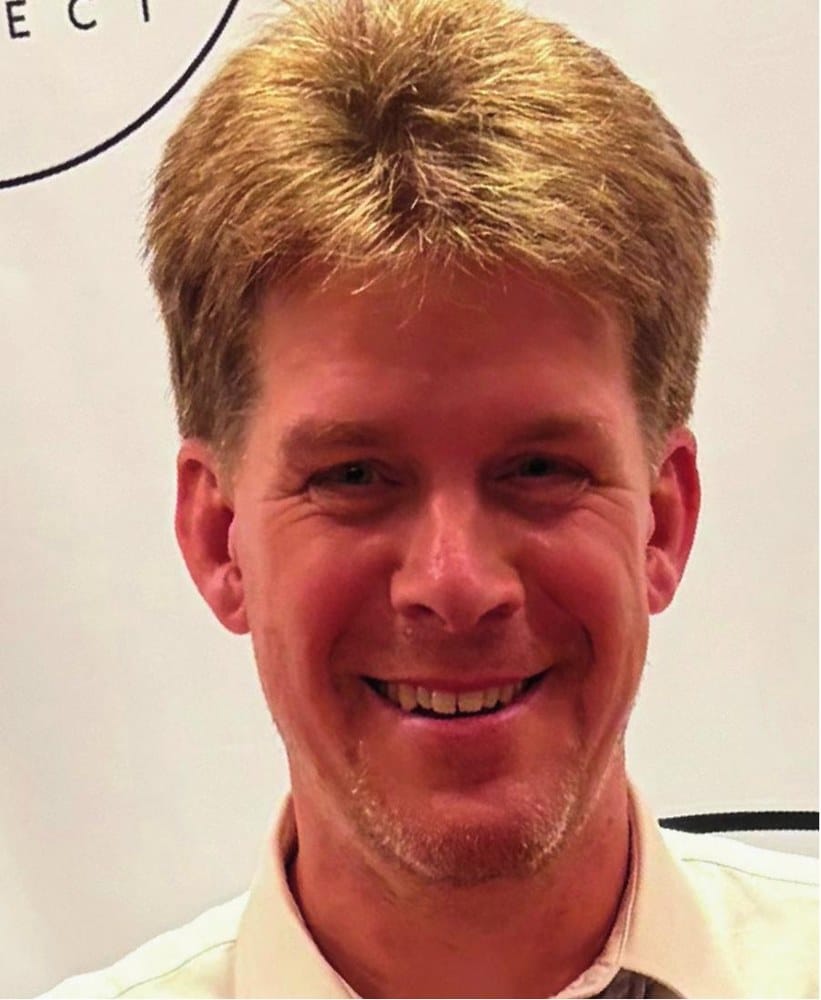
Hometown: Born and raised in Cedar Falls and have lived in Hudson since 2013
Political party: Republican
Occupation: Co-owner of Iowa’s chain of largest brick and mortar fireworks stores (Crossroads Fireworks); Owner of Hit Or Miss retail store in College Square Mall; (Cedar Falls, opening in November); Executive Director of 90 year old Christian Crusaders Radio & Internet Ministry; Director of 105 year old Cedar Falls Bible Conference; Leader for Nazareth Church’s Discipleship Team; Girls HS Head Basketball Coach at Cedar Ridge Christian School
Public service/community involvement: Currently serving 3rd term on Hudson City Council; I have served on several boards and committees over the years for organizations and ministries around the community
Something voters might be surprised to learn about you: My plan regarding serving in elected office, prior to about mid-July (after Derek Wulf had vacated his Iowa House seat to serve as Zach Lahn’s Lieutenant Governor running mate, and after I struck out on helping recruit 2 different candidates to fill this seat), was to finish out my 3rd term on the Hudson City Council and be done with elected office after that. It goes to show that you never know how things are going to play out. And even though, just a few months ago, I was looking forward to the end of my time in elected office, I can confidently say today that I’m excited about the opportunity to serve House District 76 in the Iowa Legislature, and I’m committed to giving it my very best.
1. As you’ve campaigned across the district and talked with voters, what are you hearing about most — and what would you do about it if elected?
As I go door to door and talk with people, they are frustrated that the cost of living is so high. They blame it, in large part, on the continual growth and expansion of government. I, too, along with them, am frustrated, and I intend to vote in the legislature in a manner that mitigates this problem and our collective frustration with government expanse, overreach, and inefficiency. People also tell me they’re worn out by all the vitriol in politics, coming from all areas of the political spectrum. I’m not suggesting that we should always all just get along or act like there aren’t legitimate differences in politics … I believe there are important issues worth debating or even arguing over … but we can certainly have those conversations in a more respectful manner, and I’m certainly cut out for that.
2. What do you think politicians are talking about too much — and what aren’t they talking about enough?
My very first, unfiltered reaction to this question: Too many of them are talking too much about themselves, because their focus is too much on themselves! They also talk too much in canned, politically filtered talking points. Instead politicians should listen more to the people they represent, evaluating what they’re hearing through the lens of their constitutional roles, and when it’s time to speak, be candid and plain spoken and able to relate government to normal people.
3. There may be times when the views of your constituents, your political party and your own convictions don’t align. What should guide your vote in those situations?
Great question! It’s important for voters to have clarity on this from candidates they support! Ideally, everything would always align and everyone would be happy. Ha! When that doesn’t happen, to me, it’s a balance primarily between constituents and convictions, with party allegiance being less important than loyalty to either of the first two. Our government was founded as a representative republic, not a pure democracy. So it’s not simply “majority rule,” and some room is certainly left for the convictions of the elected representatives. I suppose whether I sided with my constituents or my convictions (if those things were at odds with each other) would depend on the issue and how core it was to who I am. The more core to my identity, the more likely I’d side with my convictions. The less core to my identity, the more likely I would be to side with my constituents.
4. What’s an issue you’ve changed your mind about in recent years, and what caused you to see it differently?
Locally, there are several votes I’ve taken on the Hudson City Council that I wish I could change. I’m referring to votes to spend money that I would have been against if I had known the reality of Hudson’s financial situation. What changed my mind? As is well documented by now, a number of us on the council were under the impression we had money that, in fact, we did not have.
5. What do you believe voters should expect from you even when they disagree with you?
They should expect me to be respectful and listen to them in the midst of our disagreement. They should expect me to shoot straight with them about why I hold the viewpoint that I hold, which is different from theirs. They should expect that I might actually be wrong once in awhile, or that I might change my mind, if conscience or reasoning compels me to do so.
Calvin Horn
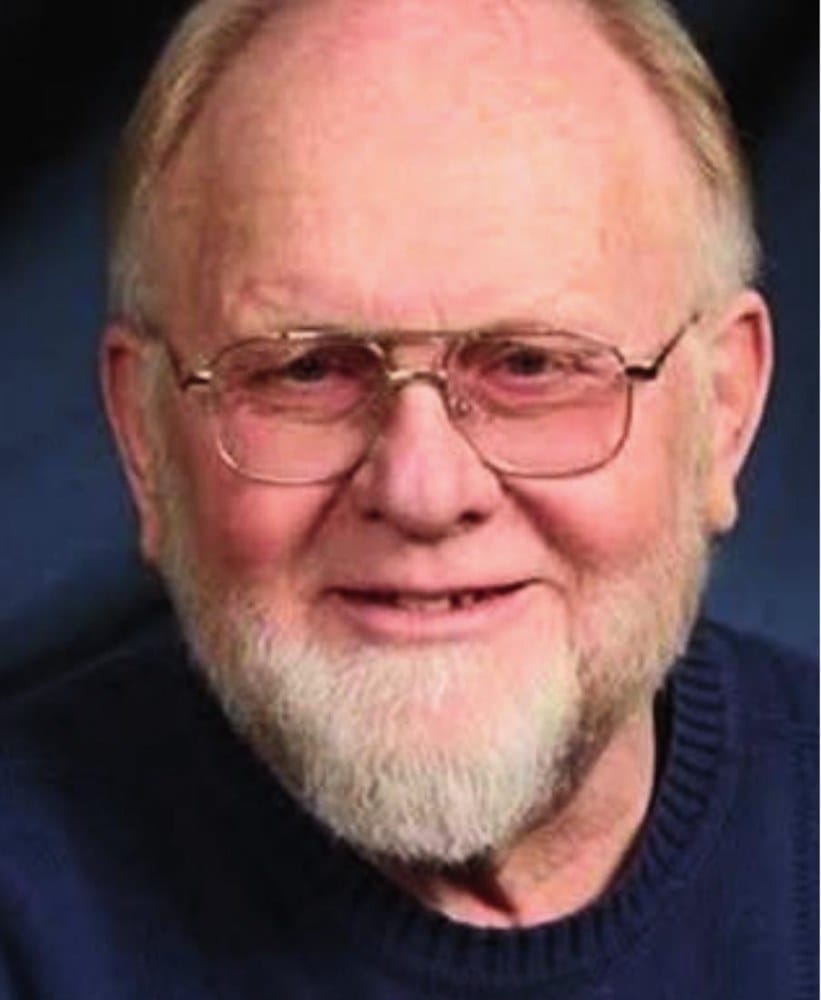
Hometown: Grew up in Cedar Falls. Now in Elk Run Heights.
Political party: Democrat
Occupation: Retired from Residential Rental Property Management
Public service/community involvement: Recently I volunteered for Reading Buddies for 2 years.
Something voters might be surprised to learn about you: I’m pretty dull, which is not surprising.
1. As you’ve campaigned across the district and talked with voters, what are you hearing about most — and what would you do about it if elected?
As many have said there is so much. Education, water quality, Healthcare including mental health, women’s health, cancer, insurance, prescription drugs, costs, and rural EMS services, Data Centers, affordability, the economy, taxes, and corruption. My belief is that with the fast pace of our world there will always be an Issue of the Day and that issue will change at an increasingly rapid pace. As a Legislator I will need to work to keep up. That means consulting with experts in the field, as opposed to those who stand to profit from the outcome or those who have bought into misguiding propaganda. If I’m elected, please let me know if you have expertise on an issue.
2. What do you think politicians are talking about too much — and what aren’t they talking about enough?
On the Federal level there are many things politicians are talking about to distract us from the real issues. At the State level I’m having a hard time thinking of things that politicians are talking too much or too little about. That’s probably because for the past 6 months I’ve been busy listening to the concerns of the people of House District 76. I can’t remember anything that anyone has brought up that was not worth talking about. I’ve knocked on well over a thousand doors. Republicans, Democrats, Independents, and non-voters.
3. There may be times when the views of your constituents, your political party and your own convictions don’t align. What should guide your vote in those situations?
In addition to listening to constituents, my party, and my own convictions, I will enlist the help of experts and be cautious of those who will profit. With those inputs plus my own moral compass I should be able to make a wise decision.
4. What’s an issue you’ve changed your mind about in recent years, and what caused you to see it differently?
If I were able to vote on the school vouchers when they first came out my vote would have been NO. After listening to and talking with others my stance has softened. Because many people have elected to move their children to private schools because of the voucher program, I believe we need to create a graduated income cap for vouchers. We can’t pull the rug out from under those children who need it. But we should not be subsidizing the education of the children of the wealthy. All schools accepting vouchers must be held to the same minimum standards as our public schools, be accountable to the public for where the money goes, and we need clear penalties for those who fail to comply.
5. What do you believe voters should expect from you even when they disagree with you?
No voter is going to agree with me on everything. When I disagree with a voter I will listen respectfully and try to understand their point of view. That’s how we learn. Every voice matters.
Iowa House District 54
Joshua Meggers
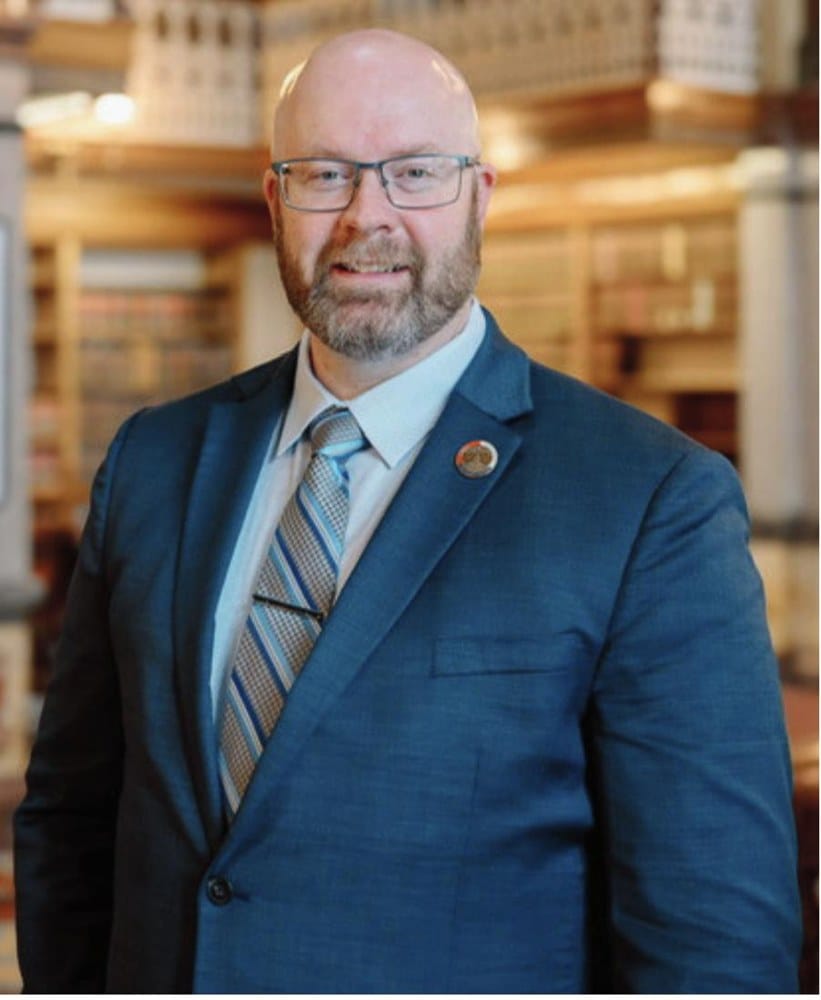
Hometown: Hudson
Political party: Republican
Occupation: State trooper, Iowa State Patrol
Public service/community involvement: Serving second term in Iowa House
1. As you’ve campaigned across the district and talked with voters, what are you hearing about most — and what would you do about it if elected?
The issue I hear about most from voters across District 54 is the squeeze on family budgets caused by high national inflation and rising local expenses—especially property taxes and utility costs. Landowners and farmers are also deeply concerned about protecting their private property rights against corporate eminent domain for carbon pipelines. If re- elected, I will continue focusing on direct cost-of-living relief. That means protecting our new 3.8% flat income tax rate, enforcing the hard 2% revenue growth caps on local city and county levies (SF 2472), and safeguarding the $25,000 homestead exemption for homeowners. On property rights, I will keep standing firm with House Republicans to ensure eminent domain is never used for private hazardous liquid pipelines, requiring a minimum of 90% voluntary easements before any project can proceed.
2. What do you think politicians are talking about too much — and what aren’t they talking about enough?
Politicians and national media spend far too much time focusing on out-of-state partisan noise, cable news outrage, and national talking points that have very little to do with the daily lives of Iowans. What they aren't talking about enough are practical, kitchen-table issues that determine the long-term viability of our rural communities: strengthening local volunteer EMS services, expanding access to rural healthcare and cancer screenings, supporting independent family farmers and beginning agriculturalists, and ensuring our small-town schools have the resources and high-starting pay needed to recruit and retain great teachers.
3. There may be times when the views of your constituents, your political party and your own convictions don’t align. What should guide your vote in those situations?
The people of House District 54 always come first—period. My duty is to the constituents who elected me to represent them in Des Moines, guided by my constitutional oath and conservative core principles of limited government, fiscal responsibility, and individual liberty.When party leadership or special interests push a direction that doesn't line up with the best interests of our rural district or my personal convictions, I will always side with my constituents. Representation isn't about blindly following a party platform; it’s about doing what is right for our local communities, listening to local feedback, and having the independence to stand up for our district.
4. What’s an issue you’ve changed your mind about in recent years, and what caused you to see it differently?
Earlier in my time thinking about state policy, I tended to believe that classroom technology and distraction policies should be left 100% to individual local school boards without state involvement. However, after spending time in our local schools and listening to teachers, parents, and educational experts, I saw firsthand how uncontrolled cell phone usage and excessive screen time were eroding student focus, driving down reading comprehension, and creating mental health challenges. Seeing those real-world impacts changed my perspective. It made it clear that the state needed to step up with consistent guardrails—which is why I supported requiring districts to restrict cell phones during instructional time and capping digital screen time for young elementary students.
5. What do you believe voters should expect from you even when they disagree with you?
Voters should expect absolute honesty, accessibility, and respect. Even when we don't see eye to eye on a specific piece of legislation, I owe my constituents a listening ear and a clear, straightforward explanation of why I voted the way I did. I will never hide from tough questions, ignore emails from constituents, or pretend to agree with everyone just to win political points. You can expect me to work hard, stay accessible in the district, treat everyone with civility, and keep fighting for the strength and prosperity of Iowa families every single day.
Leila Ann Staton
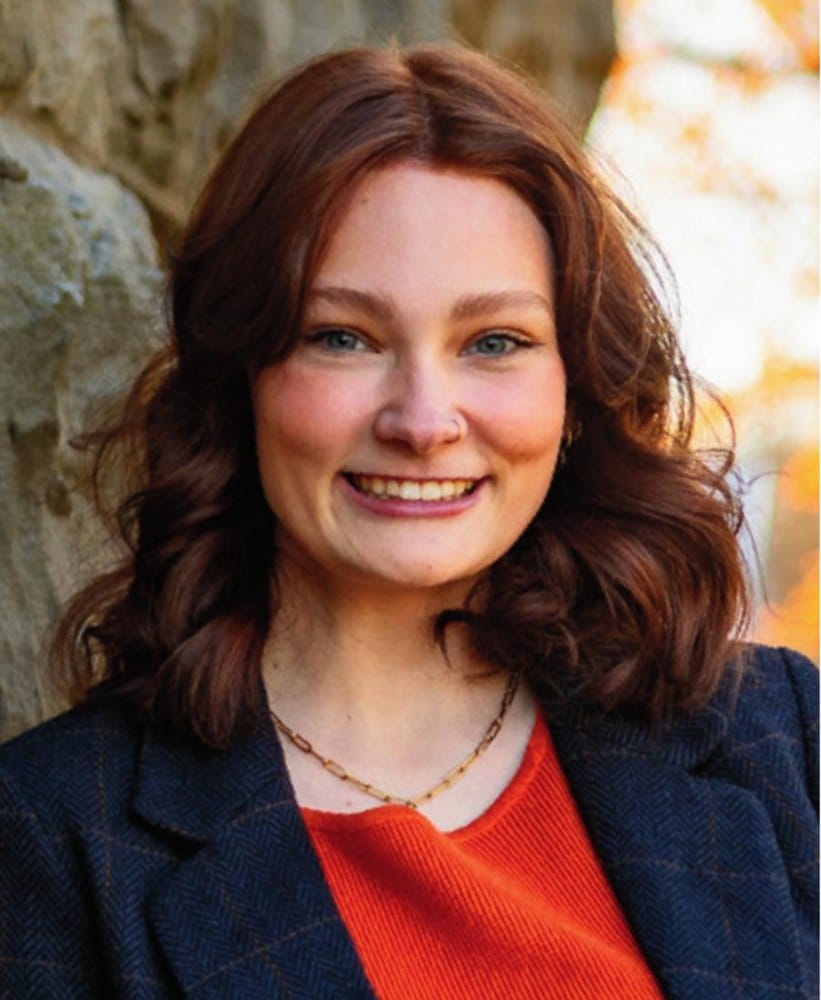
Hometown: Stout, Iowa
Political party: Democrat
Occupation: Victim Support Specialist
Public service/community involvement: Various womens healthcare initiatives, co-founded a non-profit called Third Space, and I've spent a lot of time advocating at the Capitol. (See my website for more: leilaforiowa.com)
Something voters might be surprised to learn about you: I collect "Kit Cat Klocks" and love cheesy “dad” jokes.
1. As you’ve campaigned across the district and talked with voters, what are you hearing about most — and what would you do about it if elected?
This changes with time, but right now I hear the most about water quality and the cancer crisis currently. Water Quality: 1) Restore Water Monitoring Systems. (IWQIS) 2) Fund the Nutrient Reduction Strategy. 3) Incentivize the public for safe fertilizer management and urban conservation. Cancer Crisis: Environment: 1) Mandate and fund vegetative buffer strips. 2) Incentivize cover crops. 3) Hold pesticide companies accountable-they know what's healthy for us and what isn't. No one deserves legal immunity-and certainly not a company chasing profit at the expense of our health. Healthcare: 1) Eliminate copays for supplemental screenings and follow-up appointments while lowering the minimum age requirements. 2) Increase access to the HPV vaccine. 3) Work to deprivatize Medicaid (AKA: Iowa Managed Care, IHAWP, Hawki, Wellpoint/ Amerigroup, Molina, Iowa Health Link) to erase red tape that prevents patients from accessing the care they need. Practice: 1) Increase access to anti-tobacco use programs and education, as well as other practices that increase risk for numerous cancers. 2) Increase access to recreational activities as well as transportation and infrastructure. People are more likely to drink alcohol, use nicotine products, and partake in other activities that increase risk of cancers whenever they don’t have good access to recreational activities. 3) Implement mandatory radon testing in public places, and make it cheap and easy for private ones.
2. What do you think politicians are talking about too much — and what aren’t they talking about enough?
I think politicians talk too much about problems or issues that don’t actually impact people, and should spend more time listening to people and finding solutions to the actual issues facing communities and families.
3. There may be times when the views of your constituents, your political party and your own convictions don’t align. What should guide your vote in those situations?
Having conversations with people who believe differently from me is one of the reasons I am running for this office. I think the solutions proposed from a group of people who disagree with one another are the best solutions possible.
4. What’s an issue you’ve changed your mind about in recent years, and what caused you to see it differently?
When the carbon pipeline problem first made headlines, I originally thought it sounded good because it would create jobs, could lower energy bills, and seemed like it could be good for the economy. After some immediate research, I found that that wasn’t necessarily the case, they are just exploitative and dangerous-and have since stood against it. I also value landowners rights seriously, and believe that we should not use eminent domain for a private company’s projects.
5. What do you believe voters should expect from you even when they disagree with you?
I have your back. I am running to represent people in our district, not companies run from out of state. I am always willing to listen, and hope to serve you-regardless of whether we agree on certain issues or not. Heck, chances are we agree on a lot more than we don’t.

Comments ()