

Hamilton testifies, experts challenge portions of state’s evidence before deliberations
By Dani McCulley
Following the conclusion of the state’s case, defense attorneys Nicole Watt and Konrad Kamizelich called several witnesses in support of Jacob Hamilton’s claim that he acted in self defense during the July 2024 shooting death of Zachary Drinovsky.
Prior to presenting its witnesses, the defense unsuccessfully sought permission for jurors to visit the scene of the shooting. The request was denied by the court. However, jurors were shown video footage of the location during trial as attorneys continued to debate the significance of distances, sightlines and the overall layout of the scene.
Watt told the court the defense intended to move quickly through its witnesses after the state’s presentation extended longer than anticipated.
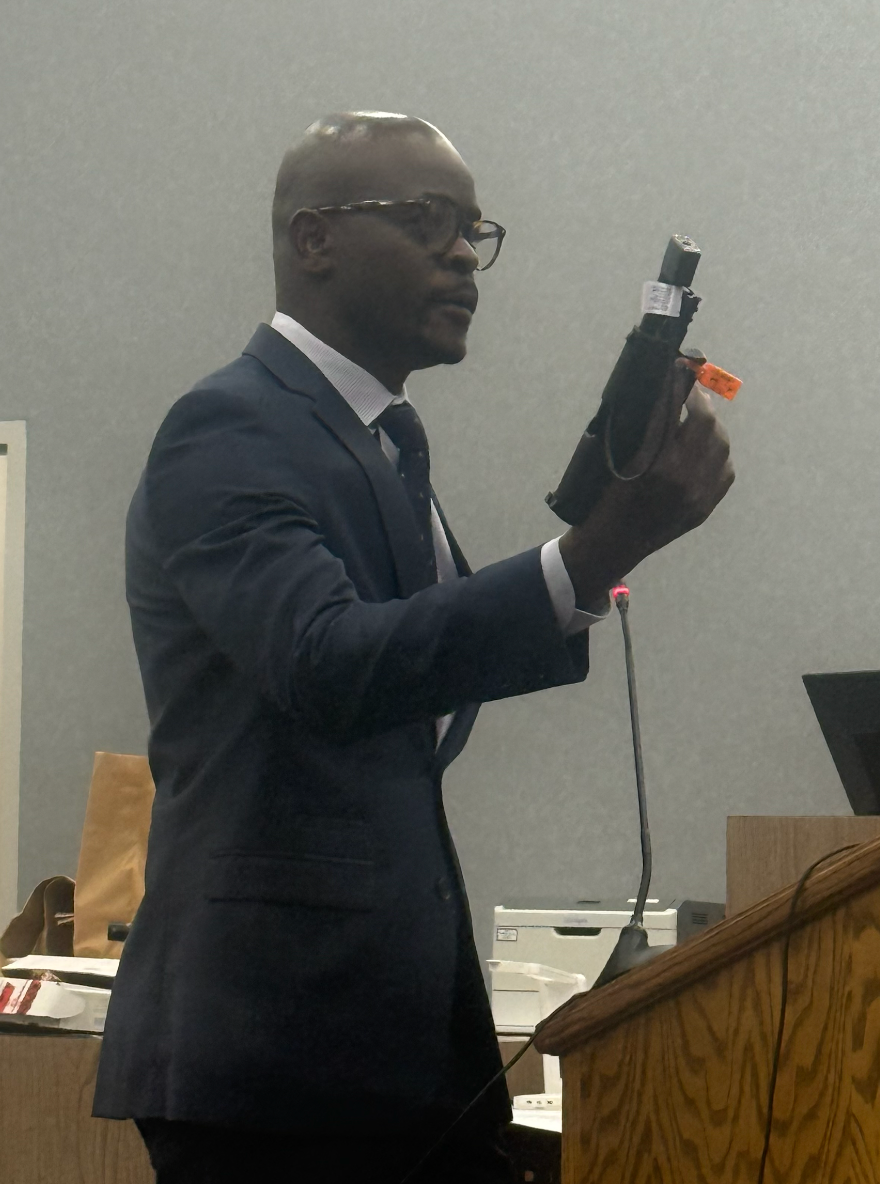
The defense first called Massad Ayoob, a nationally known firearms instructor, author and retired police captain who has spent decades training law enforcement officers and civilians on the use of deadly force.
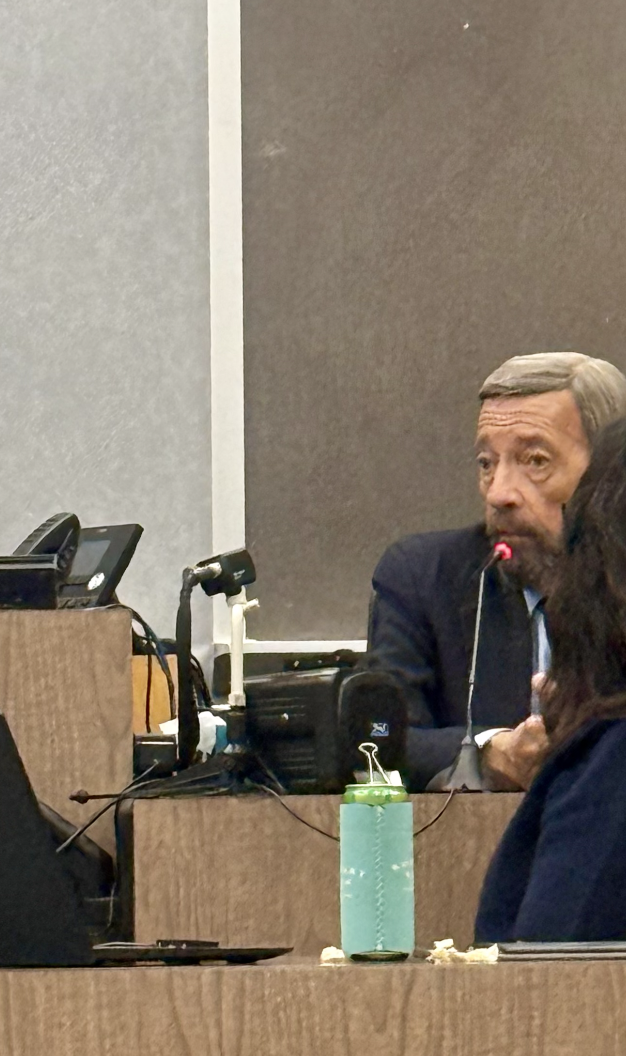
Ayoob testified about how people react during high-stress situations and discussed the effects fear and perceived danger can have on memory, perception and decision-making. Jurors also viewed a video demonstration involving a handgun similar to the one used in the shooting. The state objected to portions of Ayoob’s testimony, arguing he was not qualified as a psychologist and had not personally evaluated Hamilton.
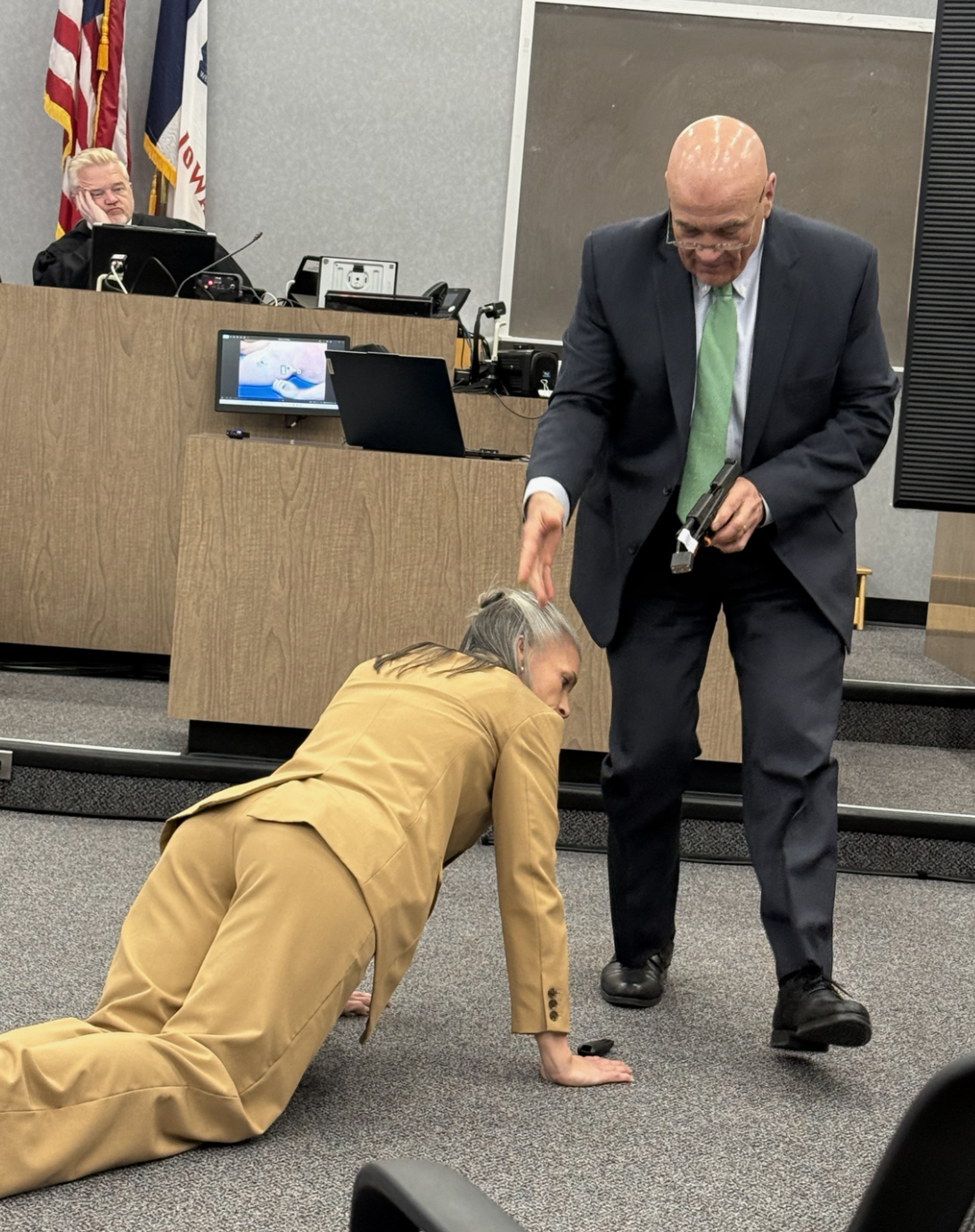
The defense next called forensic bloodstain analyst Paul Kish, who disagreed with portions of testimony previously provided by state witness Kenneth Martin. Kish testified that the available blood evidence did not clearly establish where Drinovsky was standing when he was shot and said the absence of certain blood patterns made definitive conclusions difficult.
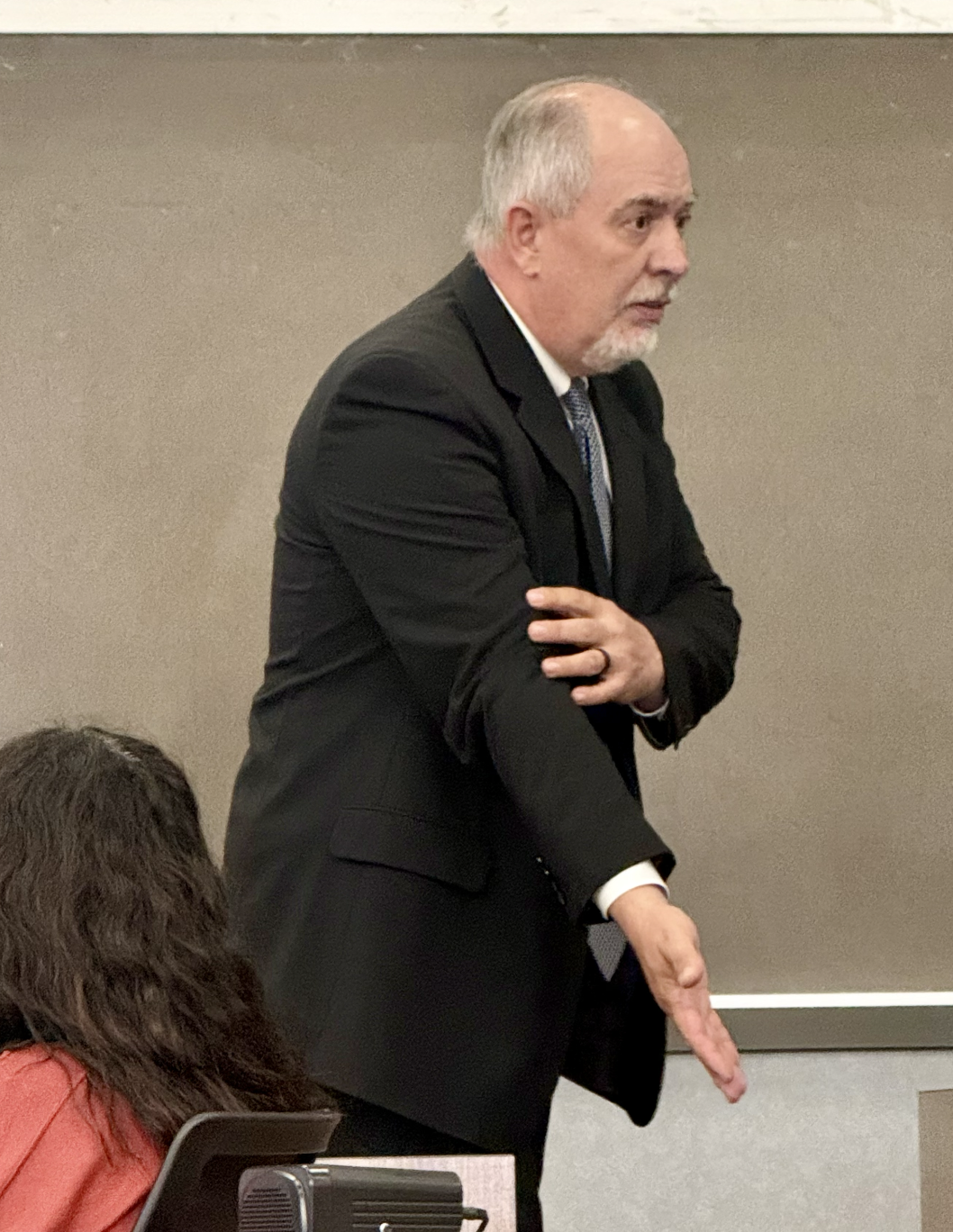
He also testified that muzzle-to-target testing could have provided additional information regarding firing distance, though such testing was not conducted. Kish noted that after reviewing reports, photographs and courtroom demonstratives, he believed the actual scene was smaller than it appeared in many of the visual presentations shown during trial.
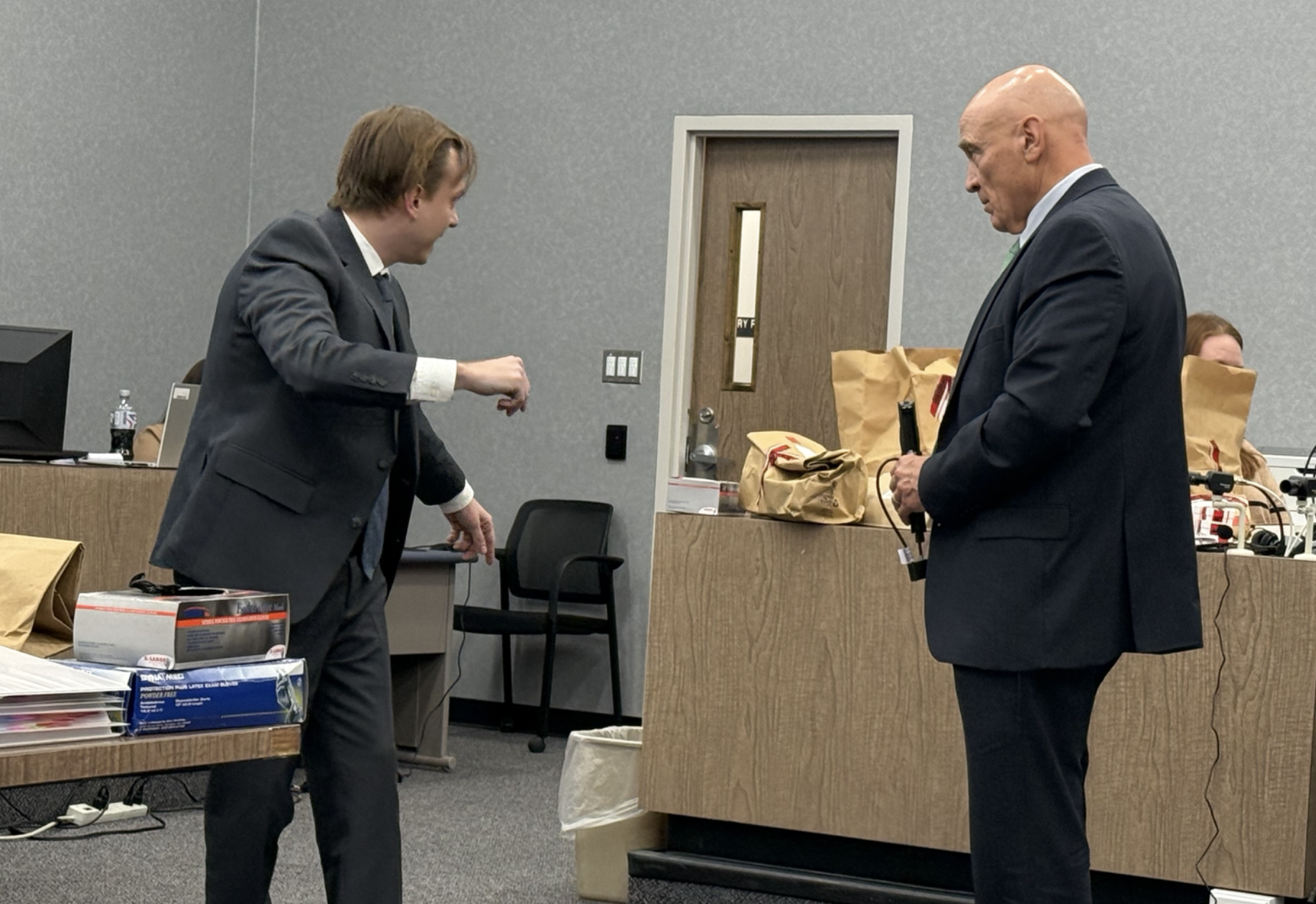
During cross-examination, prosecutors questioned Kish regarding the lack of a written report and asked about compensation for his testimony.
Hamilton later took the stand in his own defense.
He testified that he knew Drinovsky through mutual friends, community events and local establishments. Hamilton said he briefly encountered Drinovsky earlier in the evening and was aware that Drinovsky carried a firearm.
Hamilton also recounted events that occurred at The Hive prior to the shooting, including an altercation involving Drinovsky’s wife, Emily, and her sister, Abbie Oglesbee. Hamilton testified that he physically escorted Emily from the establishment after a confrontation.
When questioned about differences between his recollection and forensic evidence presented by investigators, Hamilton testified that shock, exhaustion and trauma affected his memory of the incident.
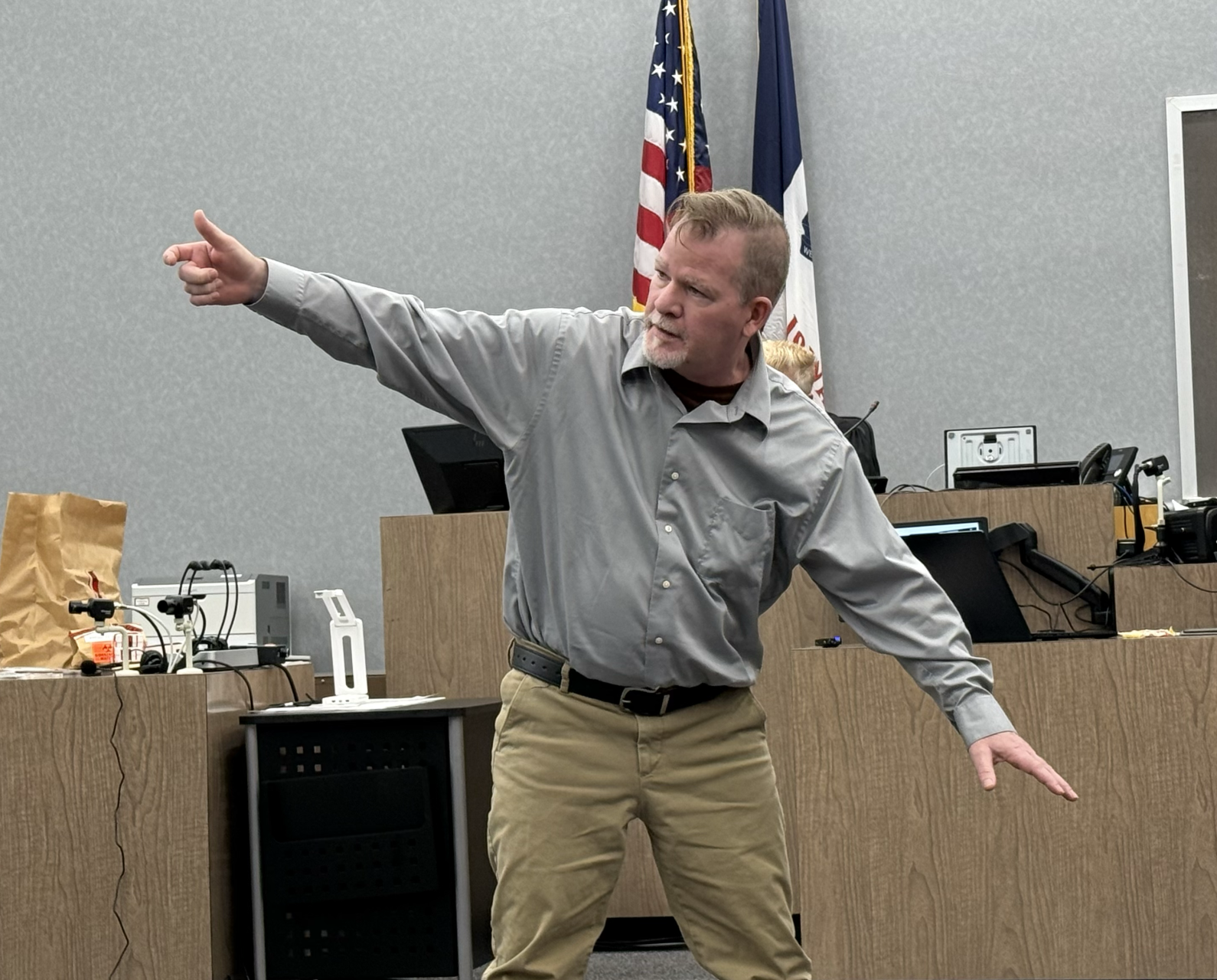
“I was in shock. I still don’t know where I was standing,” Hamilton told jurors. Hamilton also testified that he continues to think about the shooting every day. Several character witnesses testified on Hamilton’s behalf, describing him as a peaceful person.
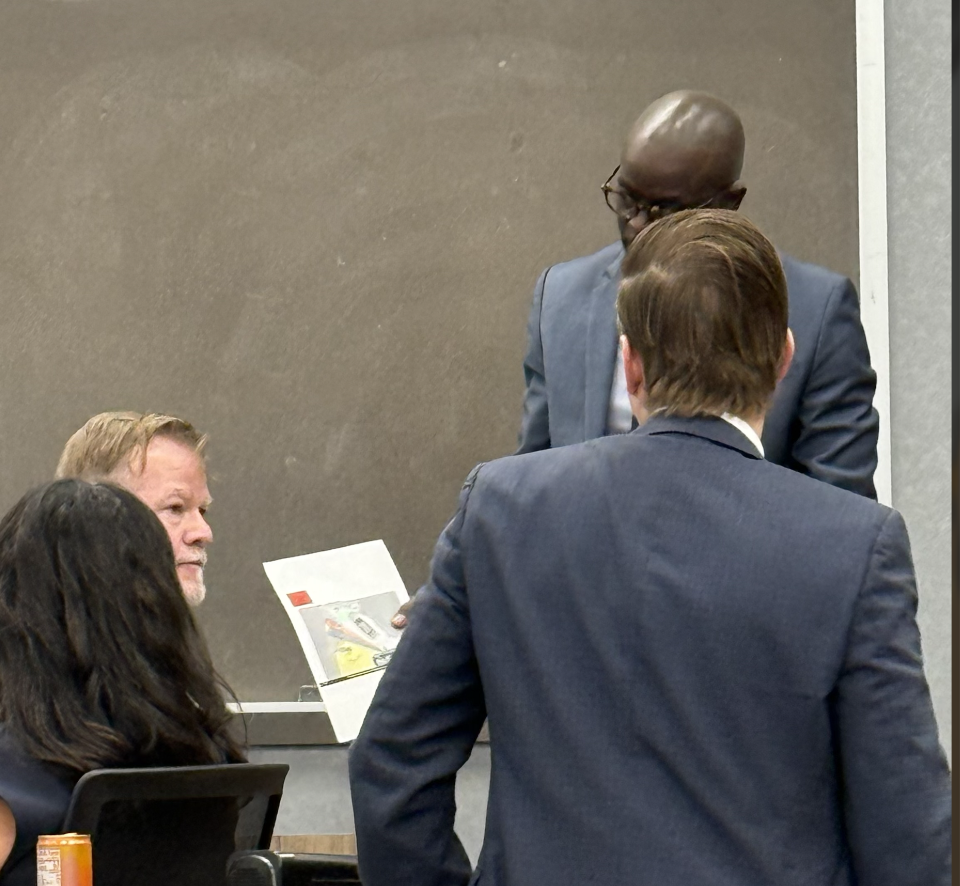
During closing arguments, Kamizelich argued Hamilton believed he was facing an immediate threat when he fired his weapon. The defense pointed to a firearm later recovered from Drinovsky’s vehicle and emphasized that Hamilton rendered aid after the shooting while waiting for emergency responders.
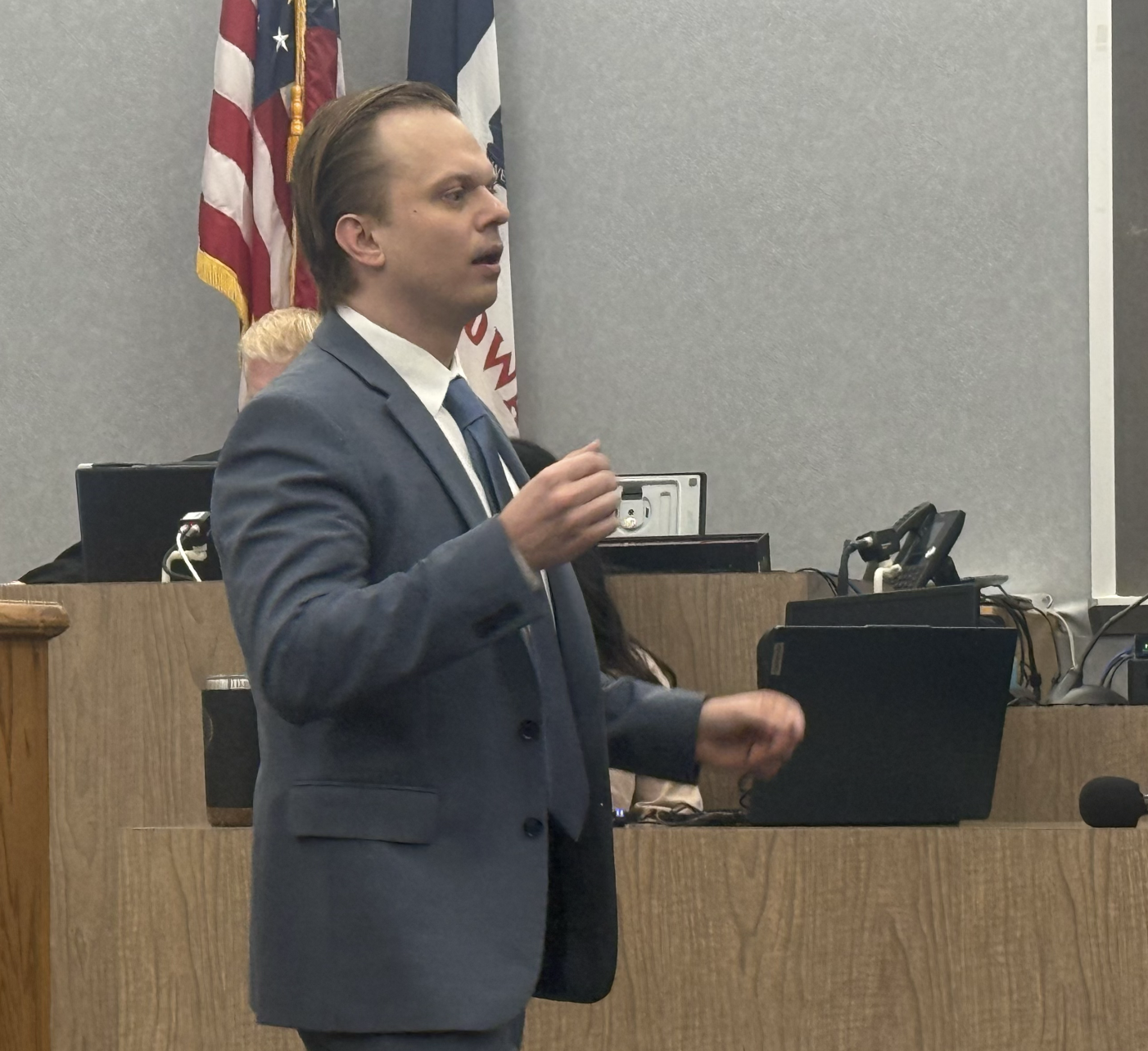
Prosecutors maintained Hamilton’s account was inconsistent with physical evidence presented throughout the trial.
Assistant Iowa Attorney General Israel Kodiaga argued that even if a confrontation occurred inside Hamilton’s apartment, it had ended before the shooting took place. Prosecutors pointed to evidence they argued showed Drinovsky was leaving the scene when he was shot and maintained the evidence supported a conviction for first-degree murder.
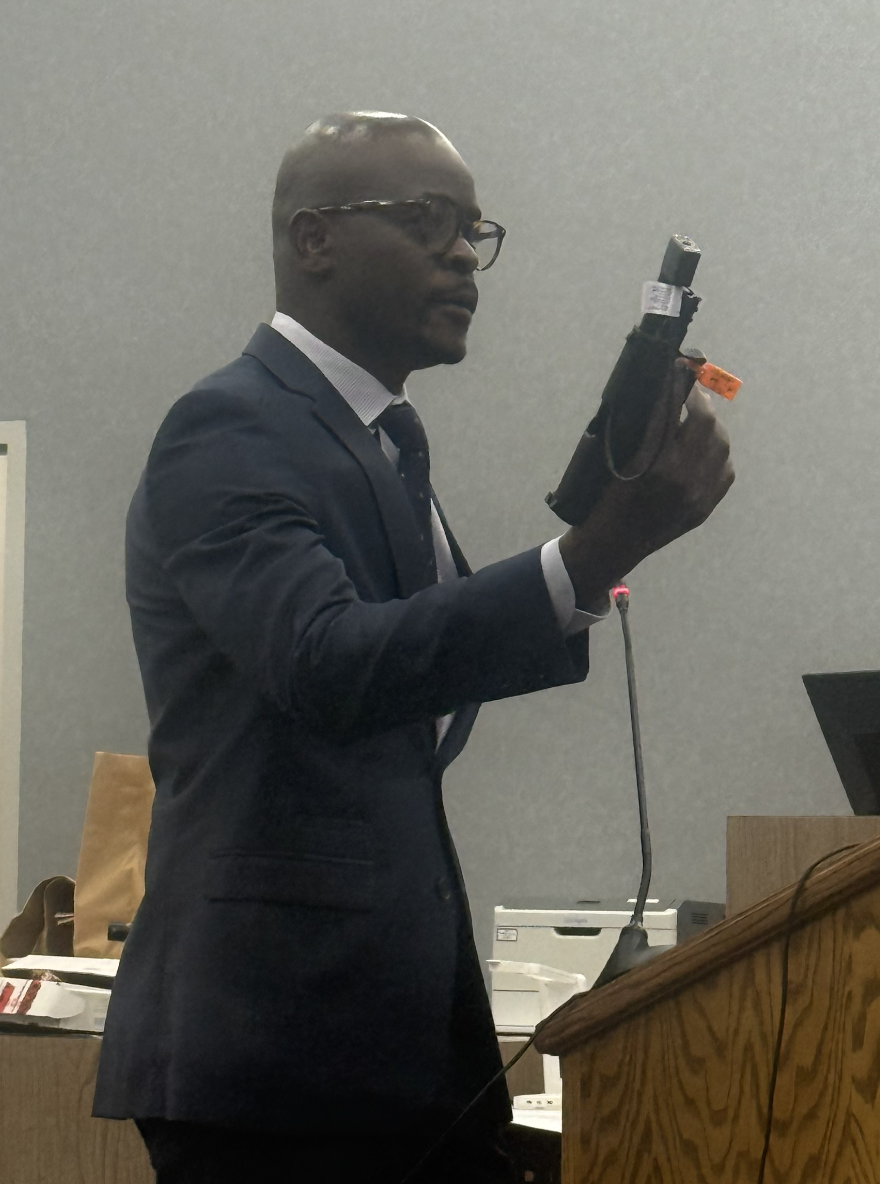
Before deliberations began, jurors received instructions outlining numerous possible verdicts, including first-degree murder and several lesser offenses. The jury ultimately deliberated for approximately 10 hours over two days before acquitting Hamilton of first-degree murder and finding him guilty of willful injury causing serious injury.
Coverage of the verdict can be found here.
Comments ()