
Political Voices: Cancer in Iowa: Turning Data into Action and Hope
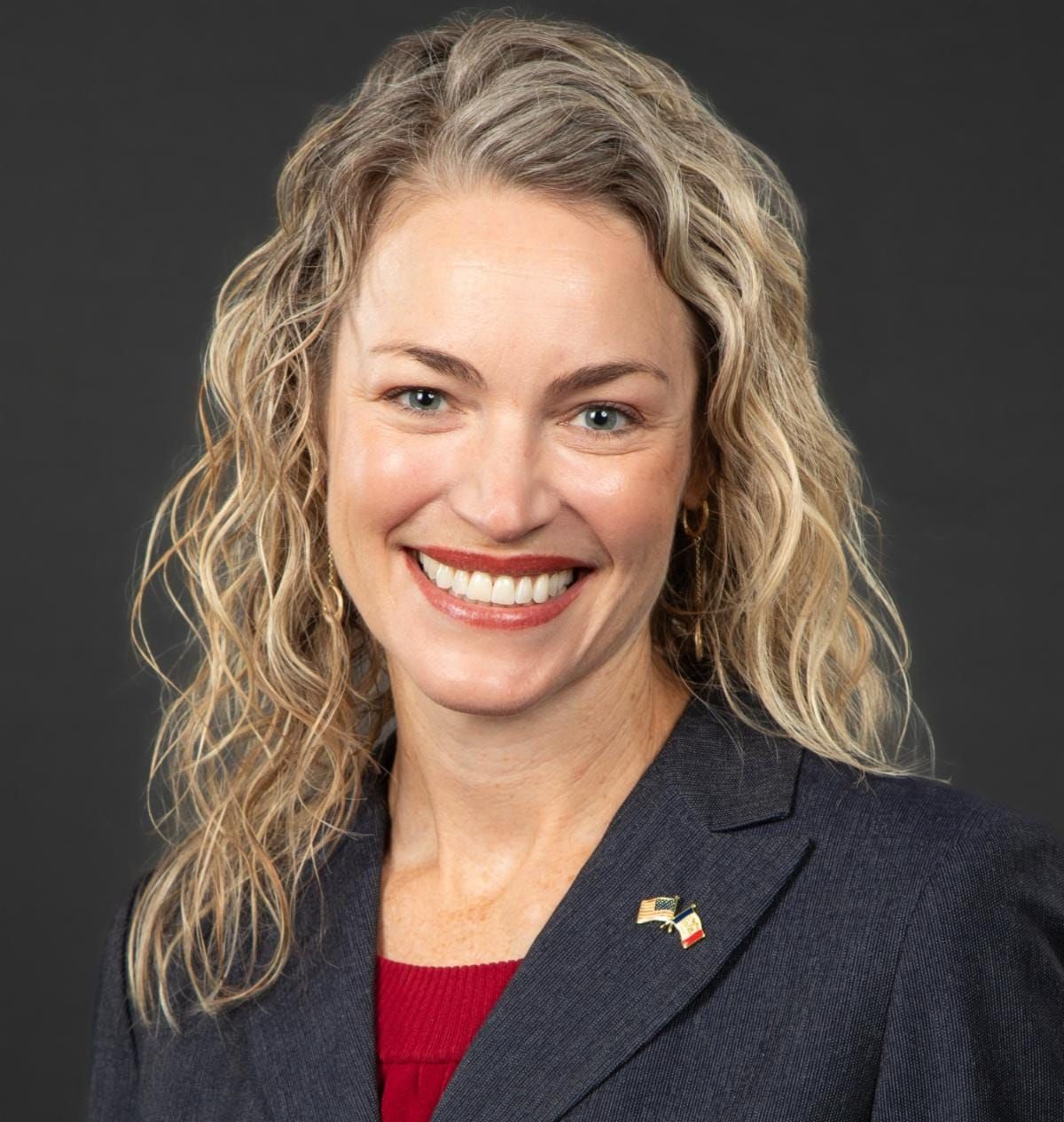
By: Senator Kara Warme
Cancer touches nearly every family in Iowa. More than one in twenty Iowans has received a cancer diagnosis, and our state has one of the highest rates of new cancer cases in the nation. Those numbers are not abstractions. They are neighbors, coworkers, parents, and children. As chair of the Iowa Senate Health and Human Services Committee, I believe we owe Iowans not only honesty about these facts, but a clear plan to act on them.
Last year, the Iowa Legislature took an important first step by passing legislation directing a comprehensive study into what is driving cancer in our state. Working with Iowa Health and Human Services and the University of Iowa College of Public Health, this effort recognizes a simple truth: cancer is not caused by one thing. It is a puzzle made up of behavioral factors like smoking and alcohol use, environmental exposures such as radon and arsenic, and genetic risks that vary across communities.
Initial results released this week dive into the four cancers that drive Iowa’s above average rates: prostate, lung, breast, and melanoma (skin). The mapping exercise also included colorectal cancer due to its prevalence. In four of those five cancers, we see relatively good news that Iowa’s higher rates come in early stage—and therefore more treatable—cancer diagnoses, and cancer deaths are not higher than the rest of the country. The one outlier is lung cancer, where Iowa is highest in the most advanced stage of cancer, and mortality tragically exceeds national levels, with 25% of cancer deaths in Iowa attributed to lung cancer.
This work is about turning facts into solutions and Iowa has secured a major opportunity to accelerate progress. Through the federal Rural Health Transformation Grant authorized by the One Big Beautiful Bill Act, our state has been awarded $209 million to support the Healthy Hometown initiative. This investment will strengthen rural health systems, expand access to care, and directly support cancer screening, prevention, and treatment— particularly in the areas where the data shows the need is greatest.
Healthy Hometowns is not a theoretical plan. Combating cancer starts with screening, and our new strategy removes the barriers to these tests. Whether it is providing radon mitigation to fight lung cancer, funding MRIs for breast cancer follow-ups, or utilizing telehealth for skin cancer checks, Iowa is streamlining the path from detection to treatment. These federal dollars give us momentum, and it is our responsibility to use them well.
That brings me to the work ahead in the legislature this year. Our first priority is to codify key elements of the Healthy Hometowns grant into state policy, so Iowa remains eligible for continued federal funding in future years. Just as important, we must ensure there are no unnecessary delays in getting these resources into action. Iowans cannot afford to wait while dollars sit on paper instead of reaching clinics, providers, and patients.
As we continue to assess results from the cancer study, we will also consider additional policy options. Those will include reviewing regulations around tanning bed use for minors, examining tobacco taxes and cessation efforts, encouraging access to healthier foods, and other measures tied directly to the data. Not every idea will be right, and not every solution will be legislative. But we are committed to following the facts where they lead.
Equally important is how we communicate about cancer. Iowa has some of the nation’s highest rates in known cancer risk factors such as binge drinking, obesity, and eating less than one serving of vegetables a day. But information alone does not change behavior. Trust does. As we move forward, we must ask not only what we say, but who is best positioned to say it. Often, the most effective messengers are close to home: local public health professionals, medical providers, teachers, employers, faith leaders, and even respected voices in local businesses or community life.
Our goal in Iowa must be to increase hope and access, not anxiety. We can respect personal freedom while still providing clear, credible information that empowers people to make decisions for themselves and their families. Words matter. Tone matters. And compassion matters.
Cancer is a complex challenge, but it is not an unsolvable one. In the legislature, we often talk about making Iowa the best state to live, work and raise a family. With strong data, strategic investment, thoughtful policy, and trusted community partnerships, Iowa can bend the curve.


Comments ()