
Wulf’s Weekly Roundup: Week 5
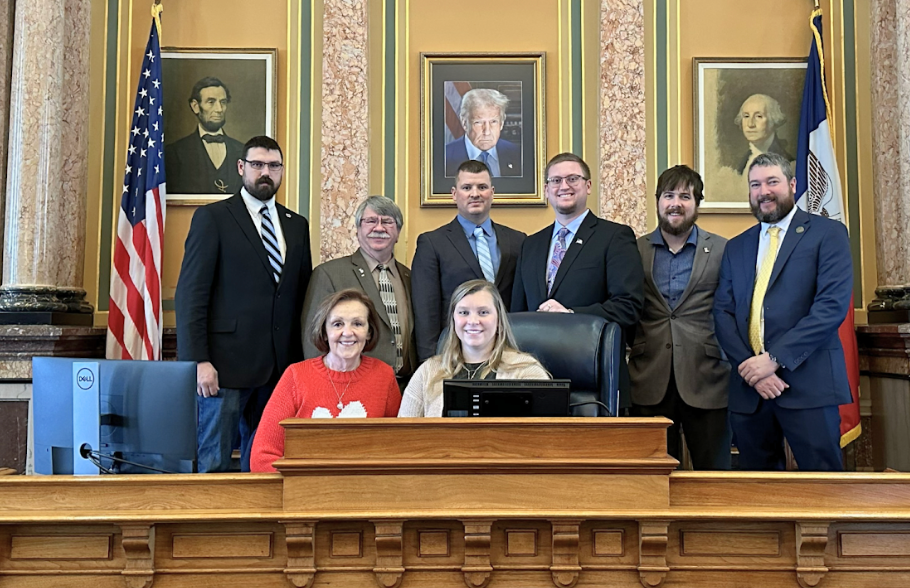
Week 5 brought a flurry of committee action as legislation moves to beat the first funnel deadline, this week I'll give a quick rundown from a couple committees.
The House Agriculture Committee was active this week on a half-dozen topics. They included: thoroughbred and quarter horse racing, farm-raised shellfish, diesel exhaust fluid (DEF), a grain indemnity audit fix, liability protection from greenhouse gas lawsuits (which the committee chair has dubbed the “cow-gas” bill), and a water quality bill requiring the Department of Natural Resources to do DNA testing of fecal bacteria to know its source.
House Study Bill 684 (DEF) mandates that original farm equipment manufacturers must make available to owners, lessees, or licensees the same diagnostic and repair information, technical updates, embedded software, replacement parts, and diagnostic repair tools for DEF systems as they provide to authorized repair providers. The bill prohibits manufacturers from imposing unfair restrictions or additional burdens on access to these materials and voids any contractual waiver of these rights. The attorney general is granted rulemaking and enforcement authority, and violations are classified as unfair or deceptive trade practices, subject to civil penalties.
House Study Bill 693 creates protections for defendants in Iowa from civil or criminal liability for any alleged actual or potential effects on climate resulting from greenhouse gas emissions. The immunity applies to emissions from agricultural and renewable fuel sources, as well as specific gases listed in the bill. Liability is only possible if it is clearly proven that the defendant violated an enforceable statutory limitation or a valid, enforceable permit term related to greenhouse gas emissions. The bill does not create any new right to sue for climate effects and applies regardless of the type of relief sought. Plaintiffs must meet strict evidentiary standards when alleging damages or injury from greenhouse gas emissions.
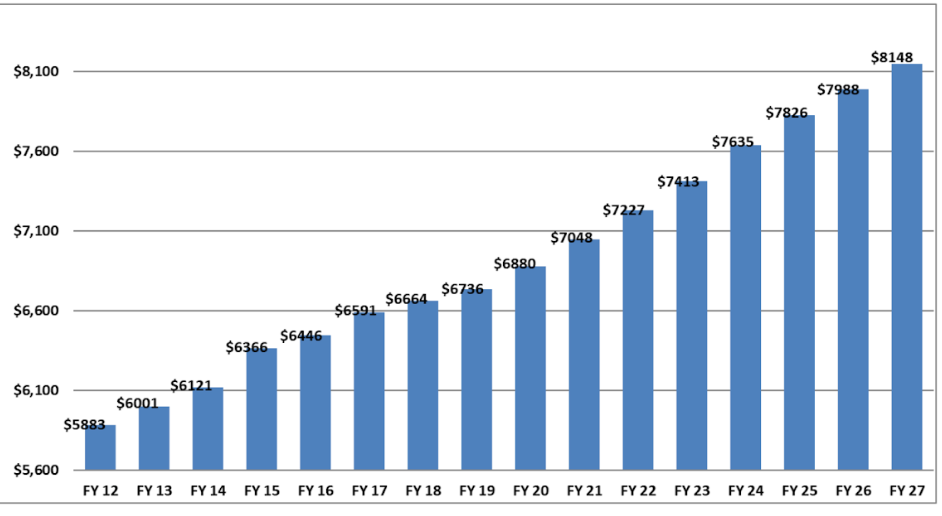
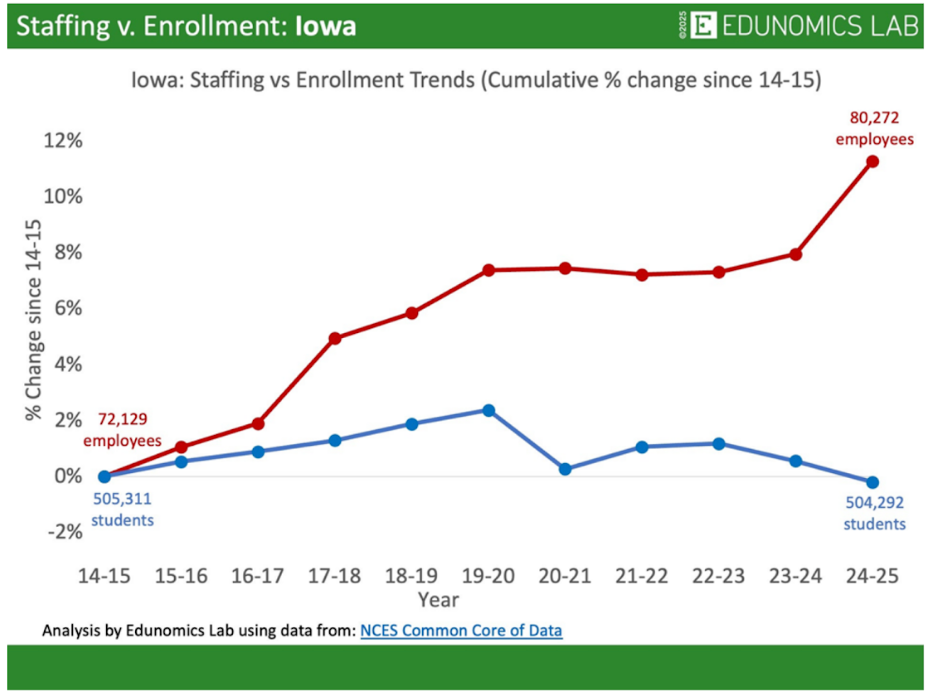
In the Legislature discussions around Education funding are always framed with the assumption that more funding means more resources for students. It turns out more funding leads to more administrative costs. Look at the charts below:
This week, the House Health and Human Services Committee introduced House Study Bill 696, that focuses Iowa’s public assistance programs on caring for disabled Iowans and preparing able bodied adults for life after welfare. This bill builds on the work of the legislature the last several years with work requirements for able-bodied adults, healthy food standards for the Supplemental Nutrition Assistance Program (SNAP), and asset testing for SNAP. These bills set reasonable expectations for taxpayer funds, ensure dignity in work, and emphasize that safety-net programs for low-income Iowans are not intended to be lifelong government dependent programs.



Comments ()