

Political Voices: Property tax relief is a 2026 priority
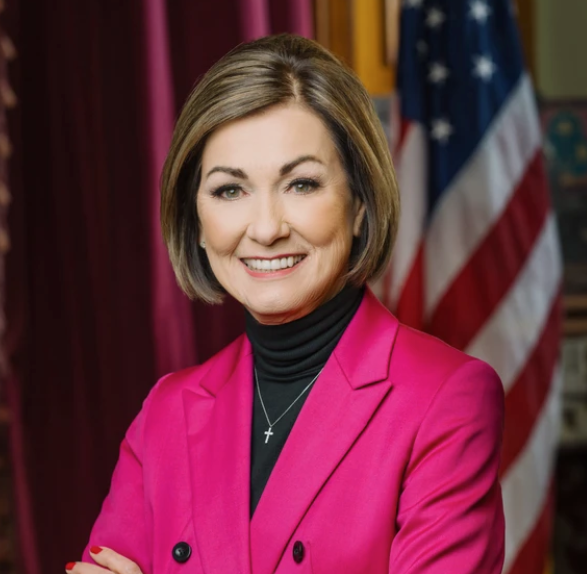
By: Kim Reynolds, Governor of Iowa
When the legislature returns to Des Moines in 2026, one issue will cut across every community and every income level: property taxes. Whether you live on a farm, in a small town, or in a growing suburb, Iowans’ property taxes are rising faster than their paychecks.
Over the last several years, the Republican-majority legislature and I have worked together to deliver the most significant tax reforms in Iowa history. We moved from a complicated, high-rate income tax system to a simple 3.8% flat tax— putting Iowa families, farmers, and small businesses in a stronger position. But property taxes still remain one of the biggest burdens facing Iowans today.
Altogether, local governments now collect 107% more in property taxes than they did 20 years ago. And in the last two years alone, collections rose more than 10 percent. That level of growth outpaced inflation and population increases, driving concerns that property taxes are becoming a heavy burden for too many households.
These numbers have real-world consequences. Higher property taxes make it harder for young families to buy a home. They strain retirees on fixed incomes. And they leave many Iowans wondering whether they’ll be able to stay in their communities.
There’s also a fairness issue. Depending on where you live, property tax growth varies widely. Since 2018, a few counties have actually seen their property taxes decrease; others have nearly doubled. That disparity leaves many Iowans feeling like the deck is stacked against them.
Unpredictability is another problem. Whether you’re a farmer investing in equipment, a small business planning an expansion, or a family looking to buy a first home, you need stability. Our current property tax system makes that difficult.
And let's be honest: rising property values aren't the problem. The cost of government is.
For a small state, Iowa's government infrastructure is outsized, outdated, and duplicative. And the property tax increases to pay for it are outpacing both growth and inflation across the state. The truth is, spending drives taxes. Always has, always will.
Just like we've demonstrated in state government, local governments can work together – within a county or across a multi-county or multi-district region – to deliver services differently, reduce spending, and return the savings in the form of lower property tax levies.
This isn't a one-year issue – it's a structural one. And until we fix it, Iowans will continue to face higher and higher property tax bills.
The good news is that Iowa’s property tax problem isn’t inevitable or unfixable. But it will take the same disciplined approach that allowed the legislature and me to deliver meaningful income-tax relief. We proved that when government controls spending, taxpayers win. Now it’s time to extend that same principle to the property tax system.
The 2026 legislative session is our opportunity to do just that—to put taxpayers first, to create a structure that’s fair and predictable, and to ensure that Iowans can build a life, raise a family, or retire in the communities they love. And it’s a priority I share with my Republican colleagues.
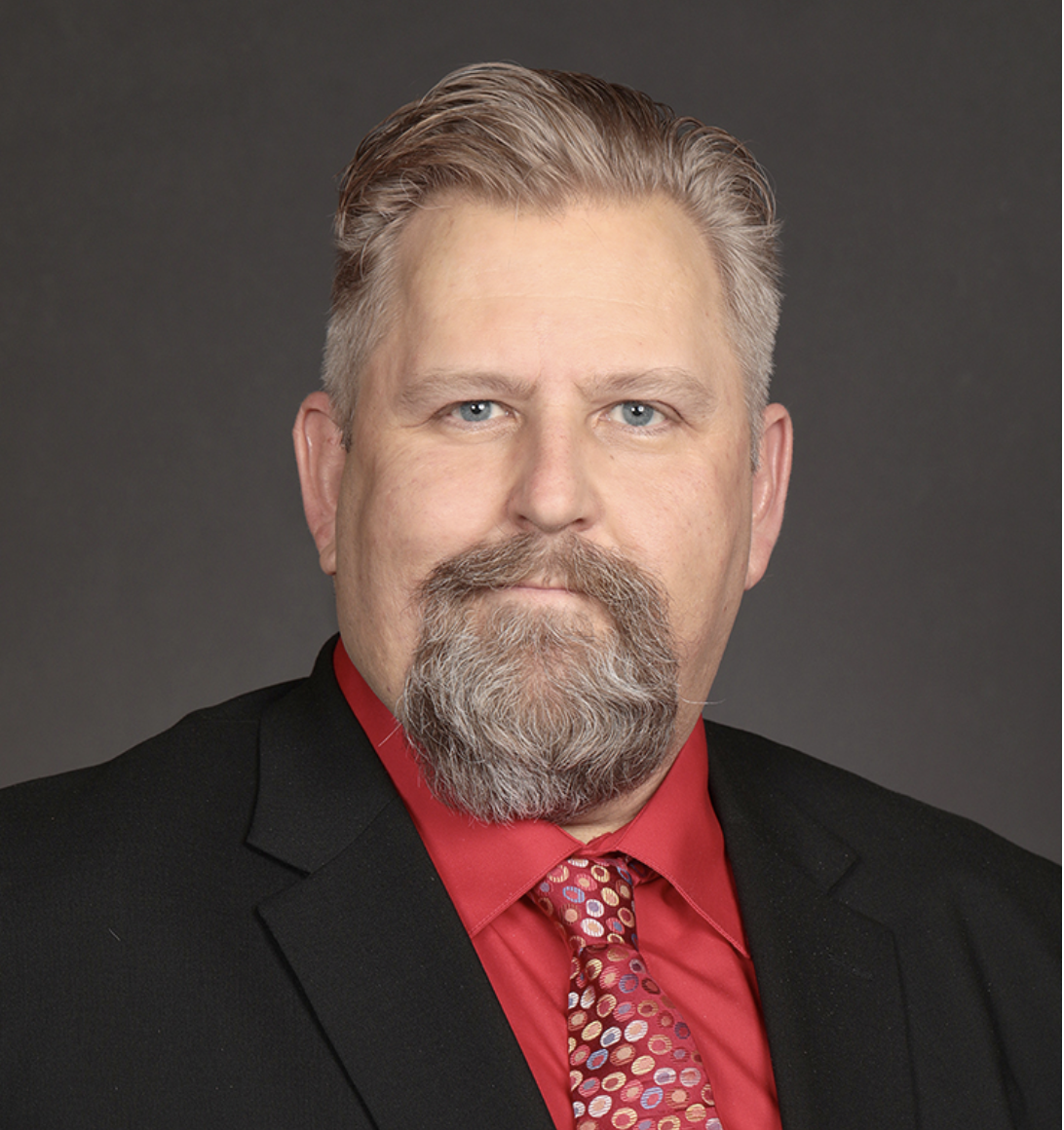
Senate Majority Leader Mike Klimesh hears Iowans’ concerns about high property taxes and their ability to afford to live in their homes. “Our goal is to ease that burden, reduce the cost of government, and make owning a home in Iowa more affordable. With property taxes being one of the biggest issues we hear about, our goal is to provide real relief for working Iowans and their families.”
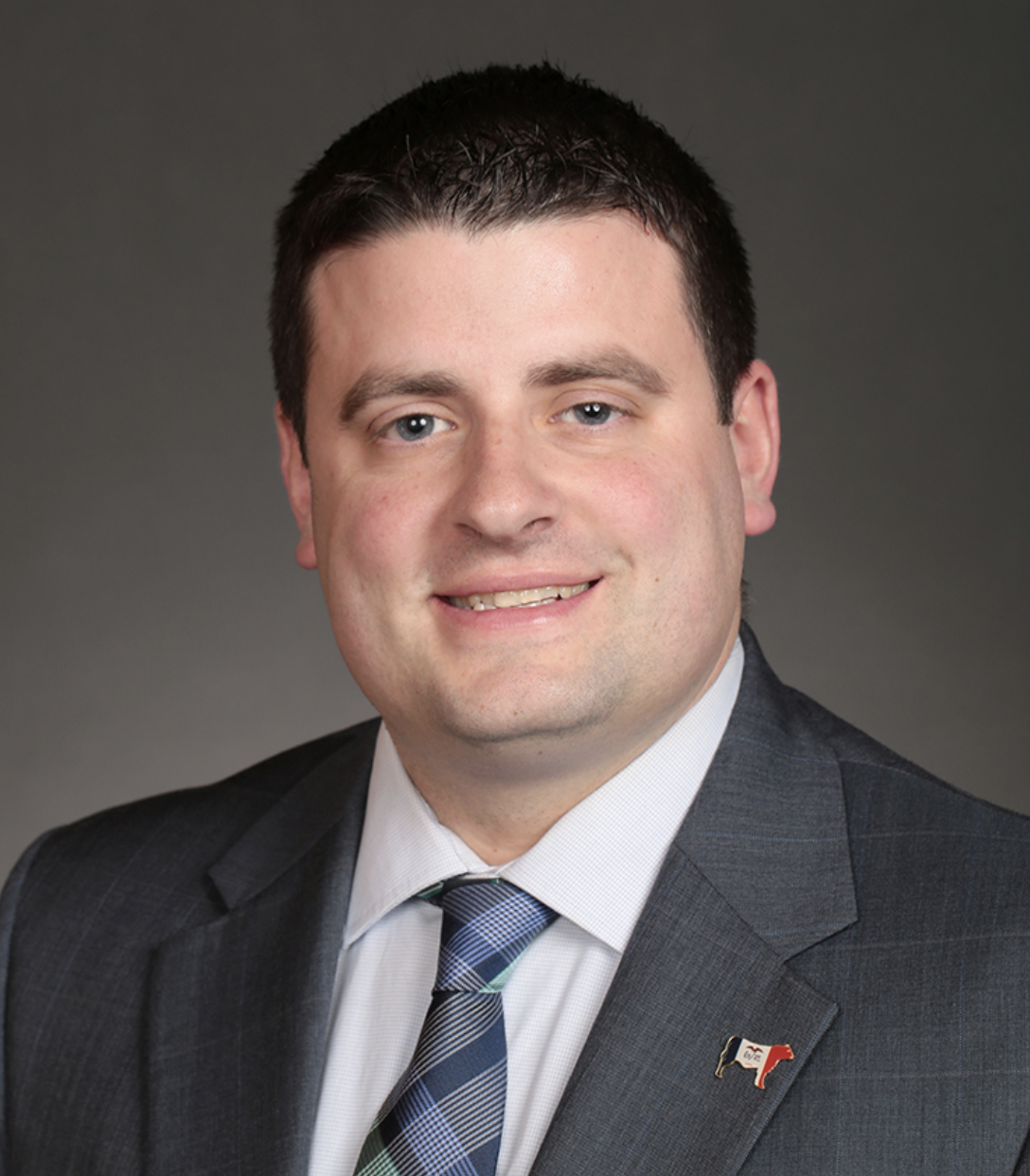
Speaker of the House Pat Grassley also acknowledges that Iowans are demanding action. “After years of delivering income tax cuts to provide direct relief, Iowans have been asking us to shift our focus to property taxes. Right now, the system focuses on serving the taxing entities, not the taxpayers. It’s past time to correct this. House Republicans intend to find a solution that everyone can understand and that gives predictability to Iowa taxpayers.”
Iowans expect the issue to be addressed, and rightly so. They see property tax bills rising year after year, even in places with declining enrollment or shrinking populations. They see spending growing faster than their own incomes. And they don’t see enough accountability.
Now is the moment to change that—together. To build a property tax system that reflects the same Iowa values that have guided our work from the beginning: living within our means, protecting taxpayers, and securing a stronger future for the next generation.


Comments ()