

Editorial: Truth Takes Time
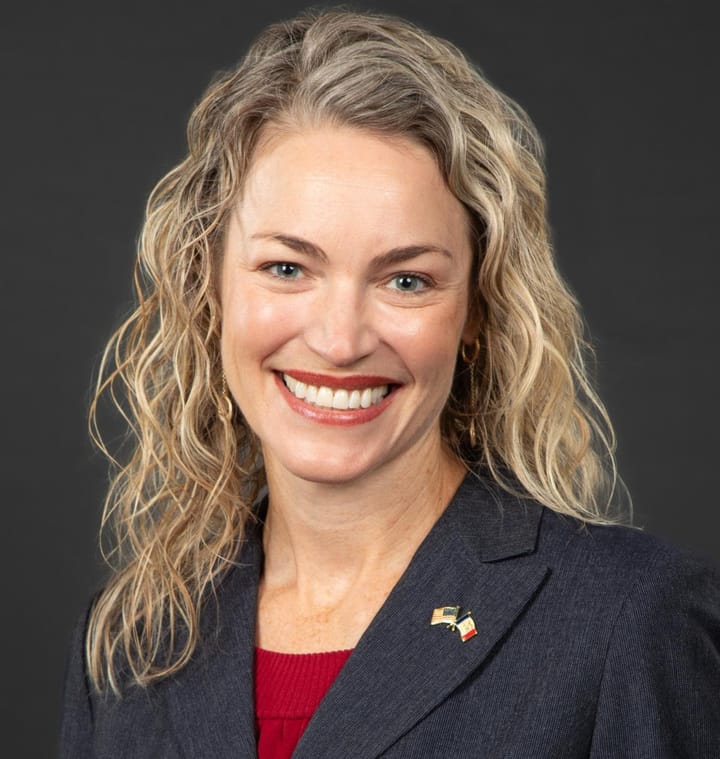
Editorial Column by Danielle McCulley
Working as an editor without a journalism degree has given me a perspective that feels worth sharing.
I didn’t come into this profession through a traditional path. There’s no journalism degree on my wall, unless you count a lifelong Ph.D. in asking “why?” My family would tell you that “why” has always been one of my favorite words. Not because I was nosy (well… maybe a little), but because I genuinely wanted to understand things from every angle. Why does it work that way? WHO decided that? What perspective might be missing? Is there another way that can also be right? I drove my mom nuts at times:)
I came into this role through community— by showing up, talking with trusted and knowledgeable “experts,” listening closely and asking A LOT of questions. I’ve always wanted to understand not just what is happening, but why it’s happening. And that outsider vantage point has taught me something simple: truth takes time.
Getting close to it requires discernment, observation, listening, verification and patience. Real answers rarely arrive in the first hour… or even the first week. When conclusions form too quickly, they are often reactions, not understanding. Over time, I’ve noticed a pattern: speed distorts clarity. The faster we demand certainty, the less room there is for process. When we rush to fill silence, judgment usually fills it first, and once judgment takes root, it is hard to uproot— even when facts later shift the landscape.
Opinion travels faster than truth. Engagement rewards confidence, not accuracy. “We don’t know yet” doesn’t trend, but it is often the most responsible answer available. The moment blame enters a conversation, curiosity leaves it, and the focus shifts from discovering what happened to defending positions.
We are not just observers, we are participants. Media, leaders and the public all play a role in what gets amplified. What we consume, what we share and how we react directly shapes the environment we live in. Attention is not neutral. It is fuel.
I’ve seen this firsthand at the local level. When time is allowed— when systems are permitted to work and facts are given space to surface— clarity eventually comes. It may not be dramatic, but it is steady. If truth can be complex and difficult to sort through on a local level, how can we reasonably accept instant certainty at a national one?
History shows what happens when societies choose speed over discernment. Urgency can be necessary. Manufactured urgency bypasses thinking and moves straight to reaction. And reaction is easy to monetize. Discernment is not.
I feel the most radical thing we can do right now is slow down. Think longer. Reflect before reacting. Strengthen the vessel before responding to the noise. What we consume, we fuel. If you don’t know where to start, start small. Color a picture. Journal. Play a game of chess. Read something longer than a headline. Have a conversation without trying to win it. Find joy in something close.
The health of our public discourse doesn’t begin in Washington. It begins in living rooms, in communities, in how we choose to respond when something unsettles us. Our children are watching how we handle disagreement. They are learning whether speed or discernment wins. Truth takes time. The question is whether we are willing to give it that time.
Our children’s future depends on it.

Comments ()